UNESCO · Çatalhöyük
Çatalhöyük invites questions about dense settlement and ways of moving between homes. Calling any place the first city depends on the definition and evidence used.
 CITIES
CITIES GLOBALLY UNITED / 01
Understand a city. Discover its connections.
Cities are more than buildings. Follow the connections between landscape, everyday life, history and the decisions that shape a shared future.
Explore the atlas ↗Begin with a place. Eight research dossiers reveal different questions about climate, land, mobility, materials and recovery. The atlas is a growing collection, not a complete census of the world.
World atlas ↗Africa / 02
Climate, hills and everyday services
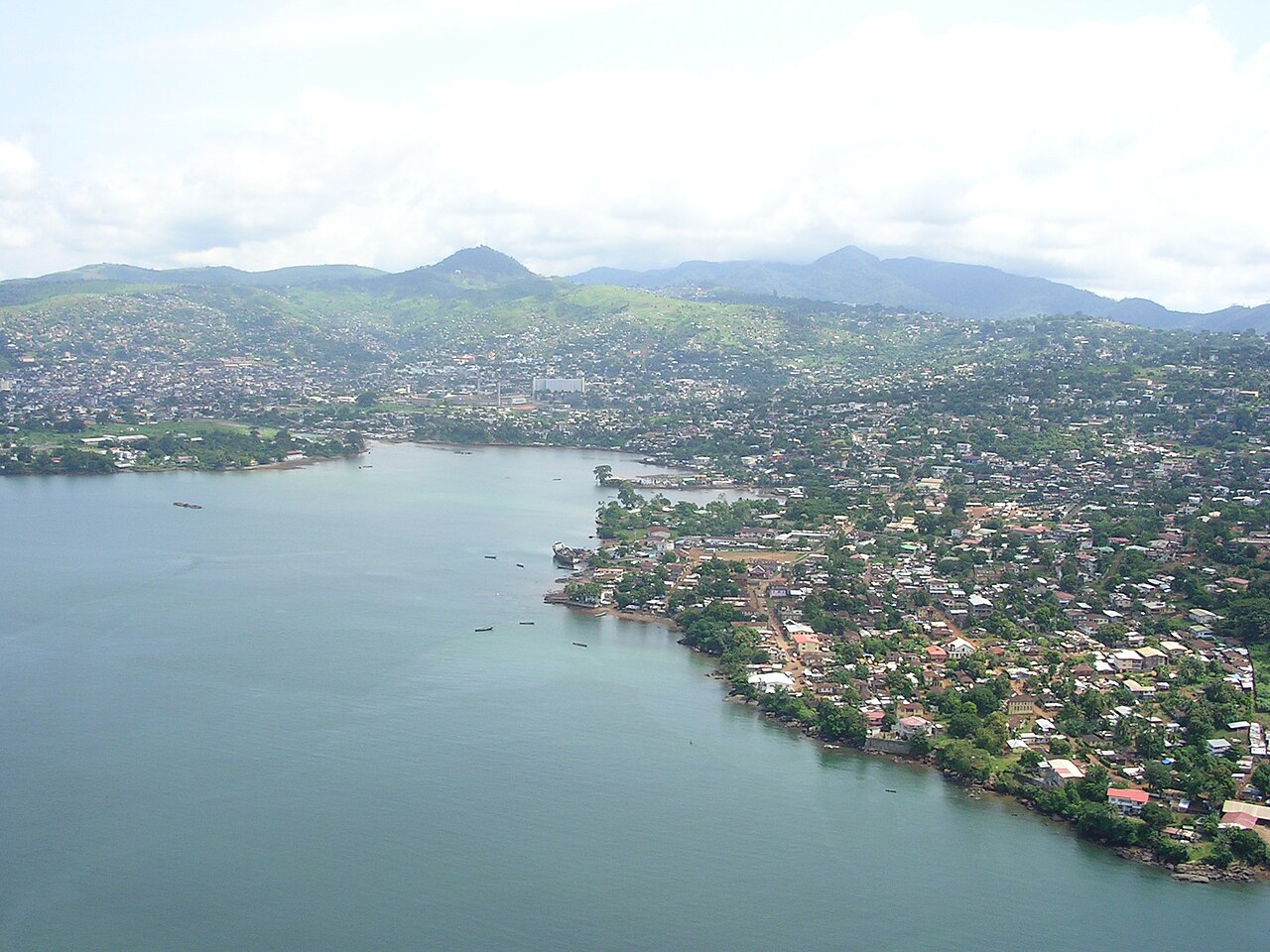
Freetown’s climate strategy offers an entry into the relationship between hillside settlement, water, heat and urban services. A strategy establishes intentions; it does not by itself establish results.
How do actions in upper watersheds connect to daily safety and services in each neighbourhood?
Land use, residents’ rights, long-term maintenance and the responsibilities of city and national bodies must be examined together.
Neighbourhood coverage, delivery results and independent evaluation remain research needs.
CITIES GLOBALLY UNITED / 03
There is no single path to urban life. Explore how settlement, infrastructure and institutions develop together, and how past decisions remain visible in today’s streets.
Çatalhöyük invites questions about dense settlement and ways of moving between homes. Calling any place the first city depends on the definition and evidence used.
Moenjodaro makes streets, built form and drainage central to the study of early urban life. A regular street pattern alone does not explain the whole social system.
Brasilia opens a comparison between a deliberately planned capital and its lived metropolitan reality. Study monumental composition alongside everyday access and change.
Notice a journey that crosses a municipal boundary.
Distinguish administrative, built-up and functional areas.
Read the source definition before comparing population or access.
Describe which boundary answers your question, and why.
Observe walking, waiting, deliveries and play at different times.
Ask who can use the space and who faces a barrier.
Check routes, maintenance and access with different users.
Frame one change and explain who benefits and who may lose.
Identify the problem the original project addressed.
Separate a proposed action from an observed outcome.
Compare terrain, institutions, costs and residents’ rights.
Write the conditions under which a local trial could be assessed.
Africa / 04
Growth, land and inclusion
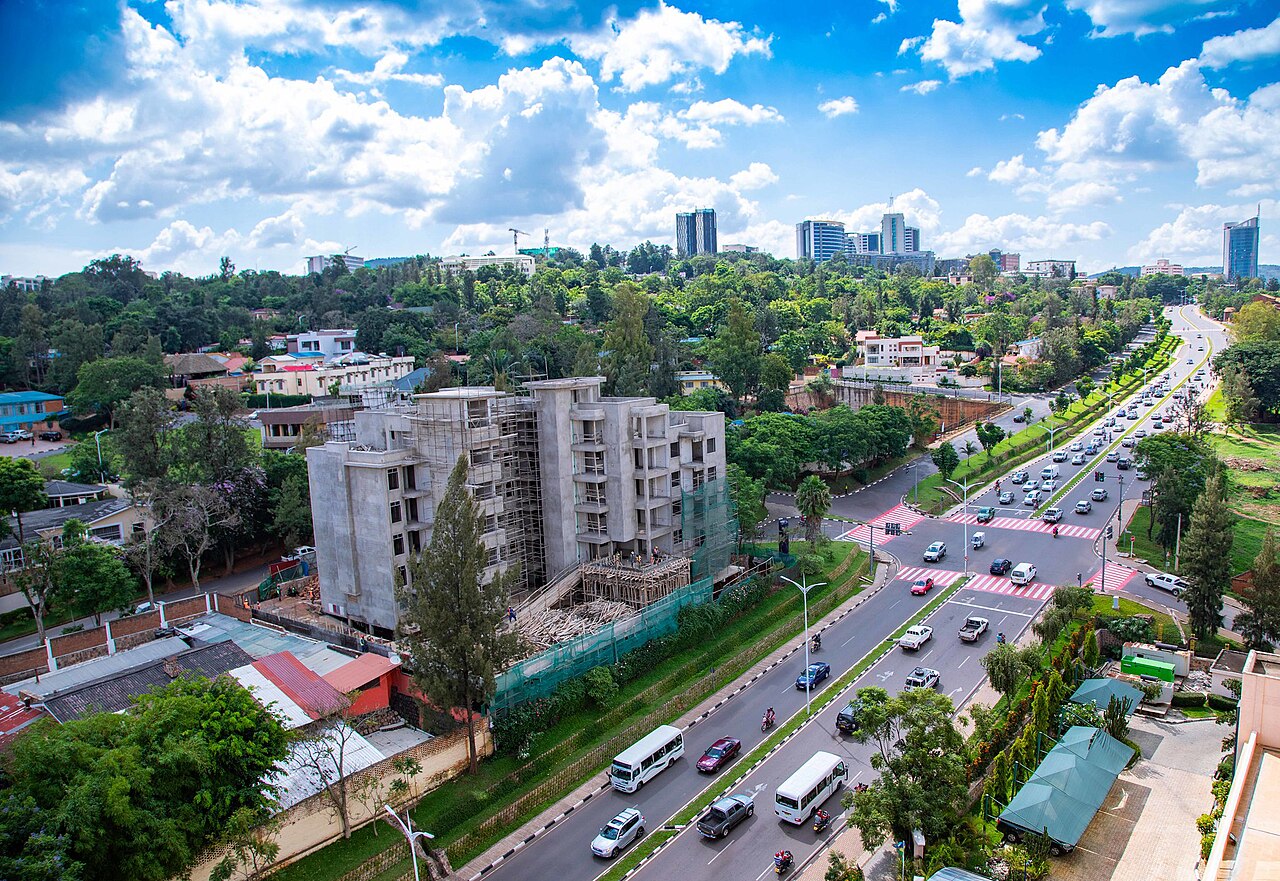
Kigali’s Master Plan 2050 is a starting point for studying land use, transport and resilience. Read the planned city alongside the everyday city and the people whose homes and livelihoods are affected.
How can spatial planning improve services while protecting residents’ ability to remain and participate?
A digital planning map needs accessible advice, appeal routes and safeguards for people with limited digital access.
The distribution of benefits, upgrading outcomes and residents’ experiences need further evidence.
CITIES GLOBALLY UNITED / 04
A journey, a home, clean water and a public space belong to connected systems. Study the relationships before choosing an intervention.
Does a connected transport system make daily destinations more affordable and reachable for peripheral neighbourhoods?
Medellín ↗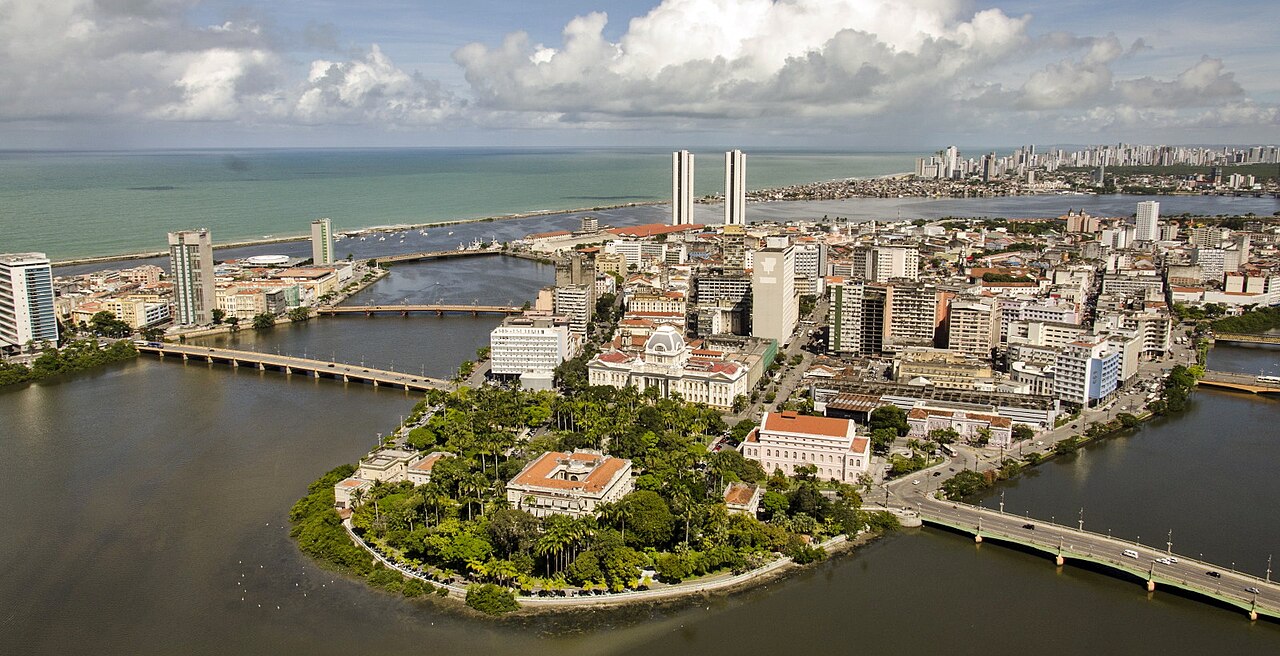
How can drainage, housing and mobility policies work together without moving risk onto another neighbourhood?
Recife ↗Who gains access through transport corridors, and who still faces difficult journeys outside them?
Toyama ↗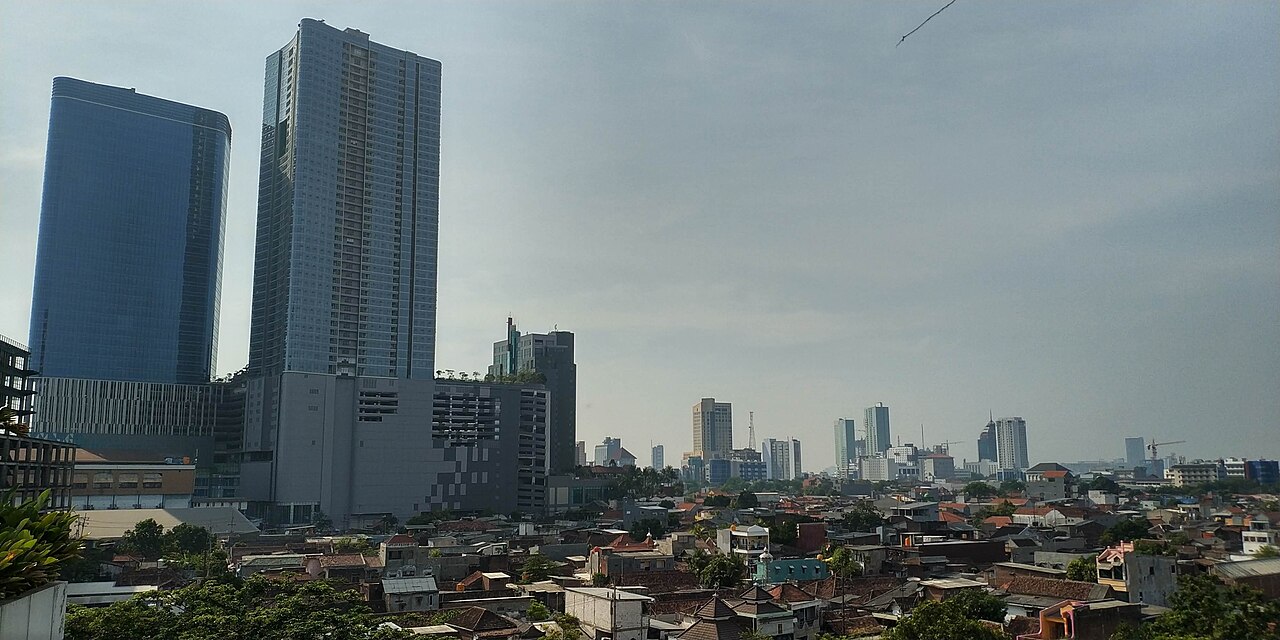
Where does individual behaviour end and the responsibility of infrastructure and institutions begin?
Surabaya ↗Americas / 06
Mobility beyond the centre
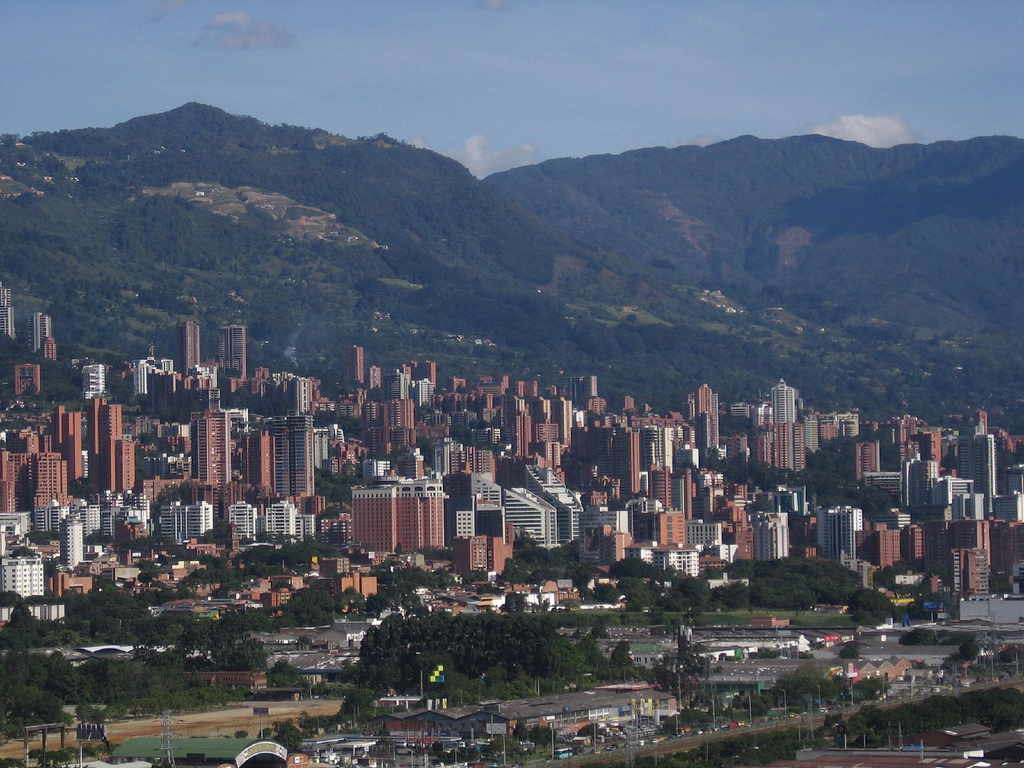
Medellín invites a close look at transport, terrain and access. The municipal development plan provides policy context; the district and the wider metropolitan region must remain distinct units of analysis.
Does a connected transport system make daily destinations more affordable and reachable for peripheral neighbourhoods?
Terrain, fares, first and last journeys, safety, operating responsibility and housing effects all matter.
Independent access and affordability outcomes need to be examined by neighbourhood and user group.
CITIES GLOBALLY UNITED / 05
Compare research questions and conditions, not reputations. The same number can describe different boundaries, years or methods; these dossiers deliberately avoid unsupported rankings.
Select two cities
These research lenses are not outcome scores.
Compare cities ↗Americas / 08
Water, coast and adaptation
Recife’s adaptation agenda connects sanitation, urban transformation, mobility and the economy. It is an invitation to examine how one decision changes risks and opportunities in several systems.
How can drainage, housing and mobility policies work together without moving risk onto another neighbourhood?
Local hydrology, tenure, maintenance funding and emergency communication must inform any transferred practice.
Implementation results and the distribution of protection across neighbourhoods require further research.
A useful practice is a relationship between a problem, a place, an institution and an observed result. Learning from another city starts by asking what made that practice possible.
Urban practices ↗Asia / 10
A compact city that remains accessible
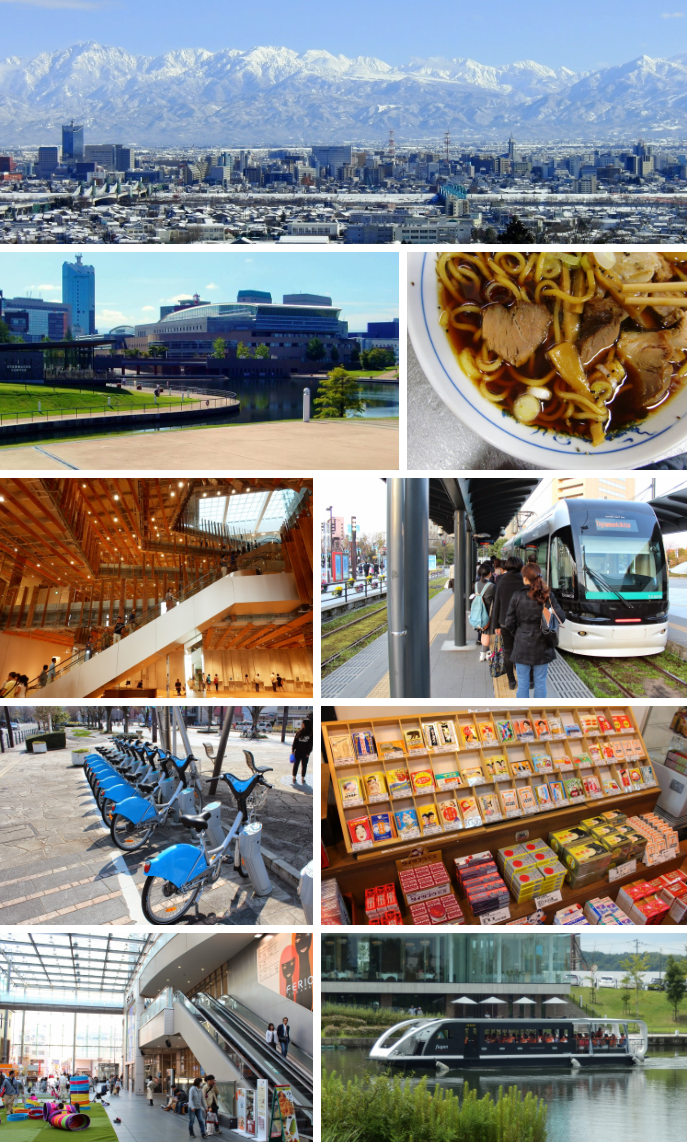
Toyama’s compact-city policy centres public transport in the context of population decline and ageing. Compactness becomes useful only when people can still reach the services they need.
Who gains access through transport corridors, and who still faces difficult journeys outside them?
Service access for less mobile people and peripheral communities must accompany decisions about concentration.
Affordability and accessibility outcomes need evidence beyond the shape of the transport network.
City networks connect different scales and shared concerns. The organizations below are sources for research; their inclusion does not imply a partnership with this project.
City networks ↗Asia / 12
Materials, work and shared responsibility
Surabaya offers a lens on waste as a complete urban flow: separation, collection, workers, processing and downstream markets. Household effort is one part of a larger operating system.
Where does individual behaviour end and the responsibility of infrastructure and institutions begin?
Worker safeguards, reliable collection, verified downstream uses and life-cycle accounting are essential.
Waste composition, diversion methods and environmental outcomes need transparent, comparable data.
CITIES GLOBALLY UNITED / 09
Learn to read a city through three short journeys. Each sequence moves from observation to a question, an evidence check and a possible next step.
Notice a journey that crosses a municipal boundary.
Distinguish administrative, built-up and functional areas.
Read the source definition before comparing population or access.
Describe which boundary answers your question, and why.
Observe walking, waiting, deliveries and play at different times.
Ask who can use the space and who faces a barrier.
Check routes, maintenance and access with different users.
Frame one change and explain who benefits and who may lose.
Identify the problem the original project addressed.
Separate a proposed action from an observed outcome.
Compare terrain, institutions, costs and residents’ rights.
Write the conditions under which a local trial could be assessed.
Oceania / 14
Recovery, memory and the long term
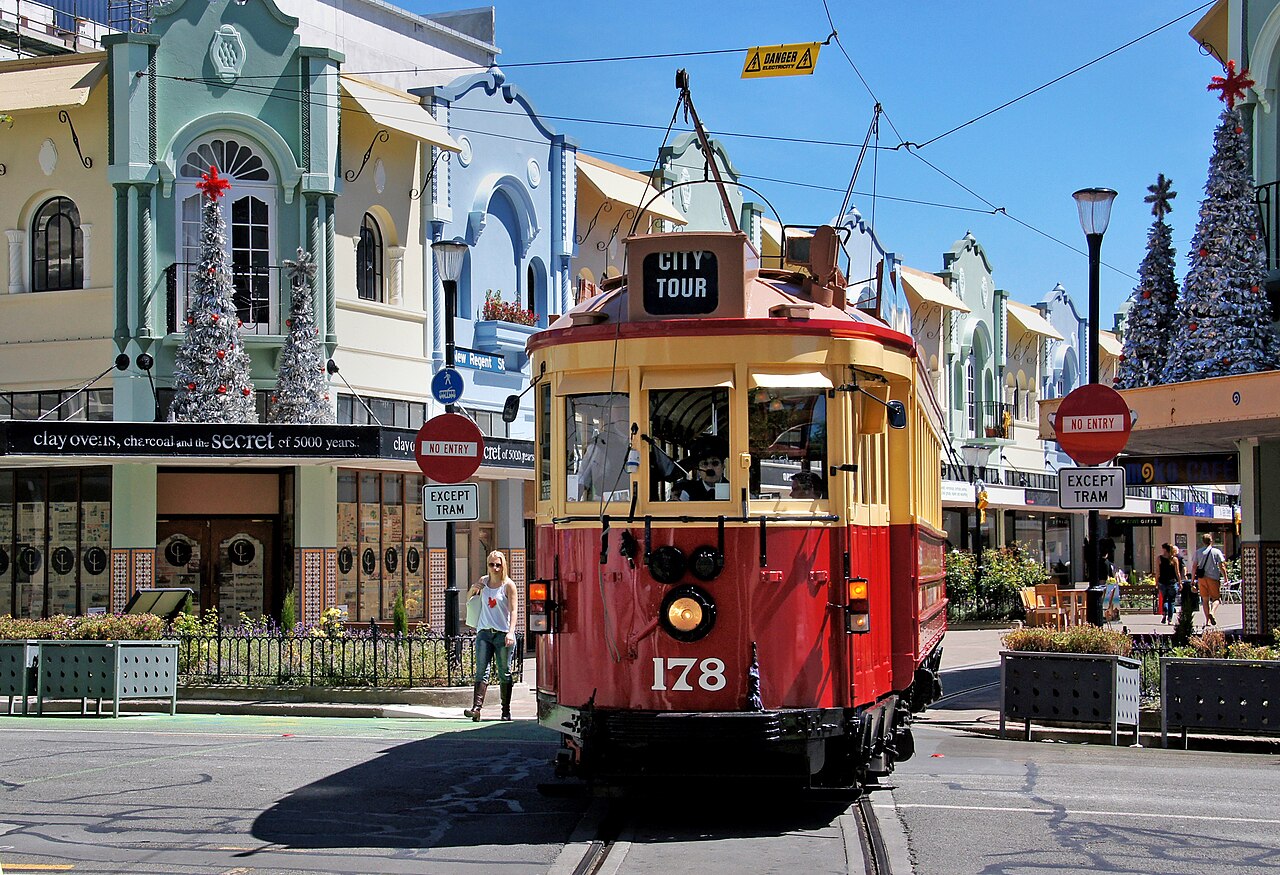
Christchurch offers a way to study how reconstruction rules shape a city after disaster. Physical rebuilding, community continuity, accessibility and cultural relationships need to be considered together.
When emergency decisions become long-term arrangements, whose needs and memories remain visible?
Temporary permissions need review dates, remedies and responsibilities; Indigenous governance belongs in the analysis.
Distributional outcomes and community decision histories require neighbourhood-level evidence.
CITIES GLOBALLY UNITED / 10
Three possible horizons guide the project. They are proposals for development, not descriptions of capabilities already operating worldwide.
Connect a curated library, city dossiers and clear source trails. Grow coverage through research questions and corrections.
Develop local research workshops with confirmed participants, responsibilities and methods for evaluating outcomes.
Explore time-aware spatial models and shared scenarios, with uncertainty, data governance and human oversight.
Americas / 16
A city connected through water
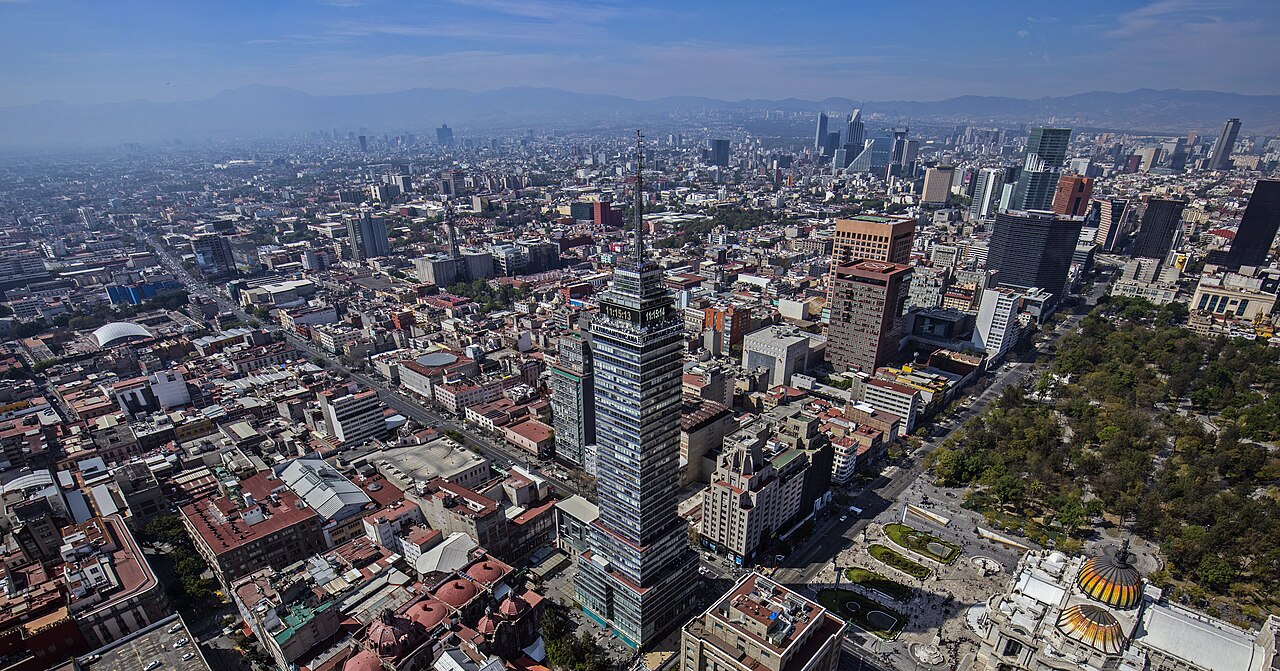
Mexico City brings water, ground conditions and metropolitan dependencies into one frame. Scientific observation can identify changes; it does not alone determine the right intervention.
How do water demand, aquifer management and infrastructure maintenance affect different households and territories?
Ground measurements, local institutions and social conditions must accompany satellite interpretation.
The responsibilities of water operators and the distribution of household impacts need further investigation.
CITIES GLOBALLY UNITED / 08
Follow an idea back to its source. This selected reading room brings together urban definitions, historical sites, policy documents and city research entry points.
No matching results. Try a broader search.
CITIES GLOBALLY UNITED / 11
CITIES GLOBALLY UNITED connects an historical project identity with a contemporary ambition: make urban knowledge understandable, connected and useful. The present collection is a research edition.
Historical identity · contemporary research
Three possible horizons guide the project. They are proposals for development, not descriptions of capabilities already operating worldwide.
Future scenarios ↗Every claim needs a place, a time and an evidence trail. Separate an observed fact from a plan, an interpretation, a reconstruction and a possible future.
Methodology ↗CITIES GLOBALLY UNITED / 13
Help improve a source, a description or a connection. Your message is stored in the project’s private queue. Email is optional; submission does not guarantee a response.